
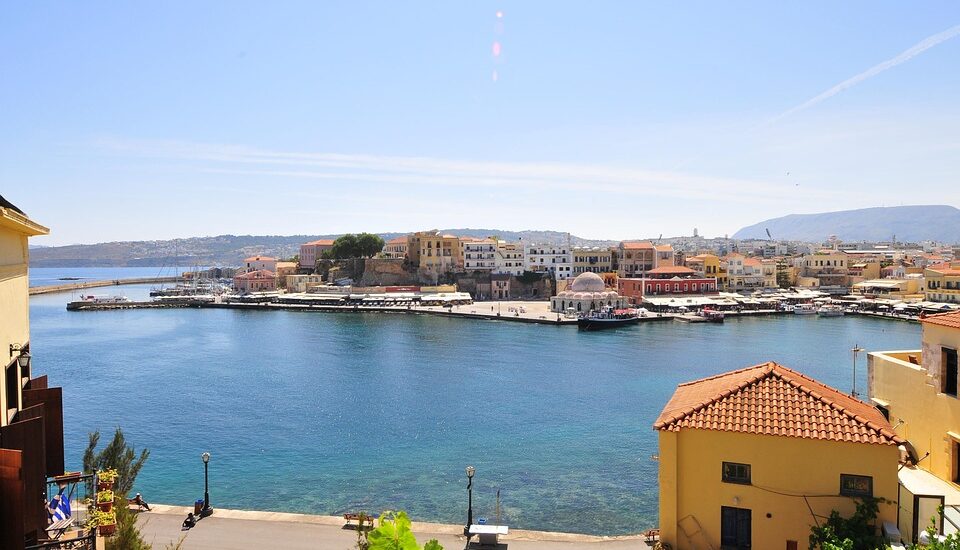
Nestled on the northwestern coast of Crete, Chania is a city that embodies the timeless charm of the Mediterranean. With its turquoise waters, dramatic mountain backdrops, labyrinthine streets, and centuries-old architecture, it is one of Greece’s most photogenic and historically rich destinations. Yet, Chania is more than just a postcard-perfect town; it is a living museum of history, a haven for outdoor enthusiasts, a culinary paradise, and a vibrant cultural hub. This guide will take you through the city’s iconic landmarks, hidden treasures, natural wonders, festivals, and gastronomy, giving you a complete and immersive roadmap for your visit.
Why Visit Chania?
Chania’s appeal is rooted in its multi-layered history, diverse landscapes, and rich cultural life. The city has been shaped by centuries of different rulers—the Minoans, Venetians, Ottomans, and modern Greeks—each leaving indelible marks on the city’s architecture, cuisine, and traditions. The combination of historical depth, natural beauty, and authentic Cretan culture makes Chania a destination that appeals to all types of travelers.
Located between the turquoise waters of the Mediterranean and the rugged peaks of the White Mountains, Chania offers both relaxing beach escapes and exhilarating mountain adventures. The city’s harbor, ancient forts, winding alleys, and vibrant marketplaces provide endless opportunities to explore. Its culinary scene is equally compelling: fresh seafood, locally grown olives, aromatic herbs, and award-winning wines highlight the island’s gastronomic richness.
Moreover, Chania’s festivals and cultural events offer visitors a chance to engage with the community and experience traditions that have been passed down for generations. From the colorful parades of Carnival to the sacred rituals of Easter, the city’s calendar is filled with occasions to witness Cretan life in its most authentic form.
What makes Chania special is not only what you see, but what you feel.
In the morning, bakeries fill the streets with the smell of fresh bougatsa and bread. Locals gather in small kafeneia to drink Greek coffee and discuss news. Grandmothers in black scarves water plants on tiny balconies. Fishermen prepare their nets by the old harbor. Life moves slowly here, deliberately.
The Laiki Agora (local street markets) are more than places to buy produce. They are social events. Olive sellers proudly offer tastings. Cheese makers explain how their graviera is aged in mountain caves. Conversations are warm, loud, and full of laughter.
Chania has preserved something rare: a modern lifestyle that still honors ancient rhythms.
What to See and Do in Chania
1. The Old Venetian Harbor
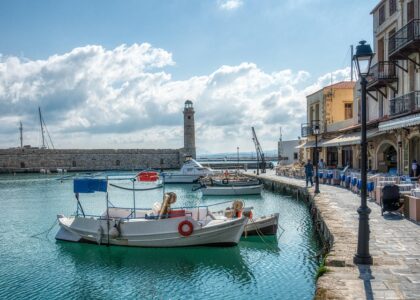
The Venetian Harbor, dating back to the 14th century, is the beating heart of Chania. The harbor curves gently around the bay, lined with pastel-colored Venetian buildings, elegant cafes, seafood tavernas, and boutique shops. Walking along its promenade, visitors encounter fishermen repairing nets, artists selling their works, and locals enjoying a coffee at a sunlit café, creating a lively yet relaxed atmosphere.
The Venetian lighthouse, one of the oldest in the Mediterranean, stands as a sentinel over the harbor. Its distinctive red light and narrow walkway attract photographers and romantic strollers alike. Nearby, the Firkas Fortress once served as a military stronghold and now houses exhibitions detailing Chania’s maritime history, including maps, cannons, and photographs from the city’s past.
From the harbor, you can embark on boat trips to Balos Lagoon, Elafonissi Beach, or the hidden coves of the Akrotiri Peninsula. These excursions offer a different perspective of Chania’s coastline, revealing remote beaches and turquoise waters that are impossible to access by land alone.
2. Chania Old Town
The Old Town of Chania is a labyrinth of cobblestone streets, hidden courtyards, and quaint alleys, where history seems to seep from every corner. Its architecture is a fascinating tapestry: Venetian mansions with intricate balconies, Ottoman mosques with graceful minarets, and neoclassical buildings reflecting 19th-century elegance.
Highlights include:
-
Firkas Fortress and Maritime Museum: Beyond their historical significance, the museum houses detailed ship models, naval uniforms, and artifacts showcasing the evolution of Greek maritime traditions.
-
Armenian and Jewish Quarters: These neighborhoods reflect Chania’s diverse past. The Armenian Quarter features narrow streets and small artisan shops, while the Jewish Quarter includes a restored synagogue and educational plaques, revealing the city’s multicultural heritage.
-
Venetian Fountains and Churches: Scattered throughout the Old Town, these sites provide glimpses into Chania’s spiritual and civic life. The Catholic Church of San Francesco, for instance, remains a quiet reminder of the Venetian influence on religious architecture.
Strolling through the Old Town, visitors encounter artisan workshops producing ceramics, textiles, and leather goods, offering a window into centuries-old craftsmanship. Small cafes tucked into alleyways provide a place to pause and watch life unfold, where the scent of fresh bread or simmering herbs mingles with the salty sea breeze.
3. Museums
Chania’s museums go beyond typical displays, offering deep insights into the city’s past and cultural identity.
-
Archaeological Museum of Chania: Housed in a former Venetian monastery, this museum displays artifacts ranging from the Minoan period to Roman and Byzantine times. Highlights include Minoan figurines, intricately decorated pottery, and ancient stone tools. Each exhibit tells a story about the daily life, religious practices, and artistic achievements of Crete’s earliest inhabitants.
-
Maritime Museum of Crete: Focused on naval history, this museum contains models of ancient ships, WWII artifacts, and maritime equipment. Rare documents and detailed reconstructions illustrate Chania’s pivotal role in Mediterranean trade and naval defense.
-
Folklore Museum: Offers an intimate look at traditional Cretan life, from agricultural tools to ceremonial costumes. Exhibits highlight the rituals, festivals, and daily practices that define the island’s cultural identity.
4. Beaches and Natural Wonders
Chania is surrounded by some of Crete’s most spectacular beaches and natural landscapes:
-
Elafonissi Beach: Famous for its pink sand and shallow turquoise waters, it is ideal for families, sunbathers, and nature photographers. The nearby Elafonissi protected area also features rare flora and sand dunes.
-
Balos Lagoon: Known for its breathtaking scenery, Balos combines white sand, azure water, and rugged cliffs. Accessible by boat or a moderately challenging hike, the lagoon is perfect for swimmers and adventurers alike.
-
Seitan Limania: A hidden cove reached by a steep trail, offering dramatic cliffs, deep blue water, and a sense of discovery for intrepid travelers.
-
Falasarna Beach: Less crowded than more famous beaches, Falasarna boasts wide sandy shores, clear waters, and nearby archaeological ruins.
The White Mountains (Lefka Ori)
These towering limestone ranges dominate the skyline. In winter, they are snow-capped. In summer, their ravines provide cool shade and hidden springs. These mountains are sacred to the local culture – shepherds still use centuries-old stone huts, and traditional mitata (shepherd domes) dot the slopes.
For hikers, Chania offers both famous and lesser-known gorges:
-
Samaria Gorge: Stretching over 16 kilometers, it is Europe’s longest gorge. Hikers pass through dense forests, alongside rivers, and under towering cliffs, with opportunities to spot native flora and fauna.
-
Topolia Gorge: Smaller and less frequented than Samaria, Topolia offers waterfalls, caves, and quiet spots perfect for contemplative exploration.
-
Imbros Gorge – gentler, easier to hike, full of quiet beauty
-
Agia Irini Gorge – shaded paths, birdsong, and rare wildflowers
5. Hidden Gems and Lesser-Known Attractions
Chania’s charm lies not only in its iconic sights but also in its hidden treasures:
-
Botanical Park and Gardens of Crete: Home to over 1,000 species of plants, including aromatic herbs, medicinal plants, and endemic species. Scenic trails wind through shaded groves, leading to viewpoints with panoramic vistas of the surrounding hills.
-
Agia Triada Monastery: A Venetian-era monastery with ornate frescoes, serene courtyards, and commanding views of the Akrotiri Peninsula. Its library contains manuscripts dating back to the 17th century.
-
Marathi Village: A quiet coastal village where life unfolds at a slower pace. Fishing boats float in the harbor, family-run tavernas serve freshly caught seafood, and local residents maintain age-old traditions.
-
Venetian Aqueducts: Fragments of historic aqueducts reveal the ingenuity of Venetian engineering and the city’s long-standing urban planning.
-
Halepa District: Known for neoclassical mansions, Ottoman-era fountains, and leafy streets, Halepa provides a tranquil, authentic experience away from tourist hubs.
-
Kydonia Archaeological Site: Ancient ruins of one of Crete’s earliest settlements, offering a quiet exploration of the Minoan past.
-
Local Artisan Workshops: Discover traditional ceramics, leather goods, jewelry, and textiles, with opportunities to meet craftsmen and learn about age-old techniques.
-
Some of the most beautiful Chania experiences aren’t in guidebooks:
-
Abandoned Venetian watchtowers above the coastline
-
Hidden stone paths between olive groves
-
Tiny family tavernas with no menus — only whatever was cooked that day
-
Cliffside viewpoints where the only sound is wind and distant waves
These places are found by walking slowly, asking locals, and letting curiosity guide you.
-
6. Cultural Events and Festivals
Chania’s vibrant calendar brings the city to life with music, dance, and culinary celebrations:
-
Chania Summer Festival (June–September): Open-air concerts, theater performances, and dance shows, often set against historic backdrops like the Old Town or Firkas Fortress.
-
Carnival of Chania (Feb–March): One of Crete’s most colorful events, with parades, costumes, music, and street performances.
-
Olive Oil and Wine Festival (October): Highlights the island’s world-renowned products, with tastings, workshops, and demonstrations.
-
Easter Celebrations: Candlelit processions, traditional music, and communal feasts offer an immersive glimpse into local religious and cultural traditions.
7. Food and Wine Experiences
Chania is a gastronomic delight, where tradition meets freshness and flavor:
Traditional Cretan Cuisine
-
Dakos: Barley rusk with chopped tomatoes, olive oil, and cheese.
-
Kalitsounia: Savory or sweet pastries filled with cheese, herbs, or honey.
-
Fresh seafood: Octopus, squid, and fish grilled or served in traditional Cretan sauces.
-
Staka and Gamopilafo: Regional specialties reflecting Crete’s dairy and culinary traditions.
Olive Oil and Wine
Crete produces some of the world’s finest olive oils, and its wines—Liatiko, Vidiano, Kotsifali—reflect the island’s microclimates. Vineyards offer tastings paired with local cheese, olives, and honey, providing a full sensory experience.
Culinary Immersion
Visitors can take cooking classes, guided food tours, or market visits, learning to prepare authentic Cretan dishes and experiencing local ingredients, techniques, and flavors firsthand. Dining in family-run tavernas often involves sharing meals with locals, creating authentic communal experiences.
Chania: Stories Carved in Stone and Salt
Chania is not only a city of light and beauty. It is a city of secrets, echoes, and forgotten voices. Beneath its charming harbor and postcard-perfect alleys lies a world of stories rarely told to tourists. Walls that once heard whispers of spies, caves that sheltered monks and rebels, towers that watched for pirate sails — Chania carries its mysteries quietly.
This is the side of Chania that guidebooks often miss.
1. The Lost City of Kydonia – Buried Beneath Modern Streets
Long before Venice, long before the Ottomans, there was Kydonia — a powerful Minoan city that once rivaled Knossos.
What makes Kydonia fascinating is that it still lies directly beneath modern Chania. Archaeological permits are rarely granted because excavating it would mean disrupting modern buildings. But fragments occasionally appear: Minoan walls under shops, pottery beneath hotels, foundations under cafés.
Local legend:
Some say Kydonia was lost not to war, but to a massive earthquake and sea surge that swallowed parts of the city — and that unexplored chambers still exist underground.
Hidden fascination:
There are theories that sealed tunnels still connect ancient Kydonia to the Venetian harbor.
2. The Haunted Venetian Walls
At night, the old Venetian walls feel different. Locals whisper that the walls are haunted by guardians — the restless spirits of soldiers who died during sieges and pirate attacks.
During the 17th century, Chania was attacked repeatedly by Ottoman forces and raiders. Soldiers were buried quickly, often inside the walls themselves.
Local story:
Security guards and late-night walkers have reported:
-
footsteps behind them
-
whispers carried on the wind
-
sudden drops in temperature near certain sections
Science? Maybe.
But locals rarely walk those paths very late at night.
3. The Mosque That Changed Faiths
The Küçük Hasan Pasha Mosque by the harbor has lived many lives:
-
Originally Venetian land
-
Became an Ottoman mosque
-
Later used as a warehouse
-
Used by German forces in WWII
-
Now an exhibition hall
Its building absorbed centuries of prayer, silence, fear, and change. Some visitors report a strange, heavy atmosphere inside — as if the stone remembers too much.
Chania is filled with places like this: buildings that changed faiths, rulers, and identities — but never lost their soul.
4. Seitan Limania: The Devil’s Harbor
The name Seitan Limania literally means “Devil’s Harbors.”
The beach’s twisted canyon shape, towering cliffs, and turquoise water create a surreal, almost unnatural appearance.
Old fishermen believed:
-
the narrow inlets were cursed
-
strange lights were seen at night
-
ships avoided the place in storms
Today it is a breathtaking beach — but its atmosphere still feels wild and untamed, like nature showing its darker beauty.
5. The Caves of Akrotiri
The Akrotiri Peninsula near Chania hides complex cave systems once used by:
-
early Christian hermits
-
monks escaping persecution
-
rebels hiding from Ottoman forces
Some caves contain:
-
faded crosses carved into stone
-
stone sleeping platforms
-
soot marks from ancient fire pits
These caves are rarely marked on tourist maps — you need local knowledge or guides to find many of them.
6. The Sunken German Bunkers
During World War II, German forces heavily fortified Crete — especially the Chania region.
Concrete bunkers were built along cliffs. Some were later partially submerged by rising tides and erosion.
Today, you can sometimes spot:
-
rusted iron doors underwater
-
concrete gun mounts near rocky beaches
-
sealed observation tunnels
They are eerie reminders of a darker chapter of Chania’s story.
7. The Village That Once Spoke in Silence
Near the mountains above Chania, there was said to be a village where, during Ottoman occupation, villagers developed a silent system of communication using gestures and stone markers to avoid being overheard.
Very little is written about it.
But local oral traditions still preserve fragments of that story.
Whether legend or truth — it shows how deeply survival shaped the people of this land.
8. Timestamped Places: Where Time Feels Broken
There are places in Chania where time feels… fragile.
Locals describe:
-
alleys where sounds become muffled
-
courtyards where wind doesn’t reach
-
steps worn so smooth they feel polished by centuries of feet
Especially in:
-
abandoned Venetian arsenals
-
deserted Ottoman baths
-
forgotten inner courtyards of Old Town
Visitors often say they feel like they stepped into a paused world.
9. The Olive Trees Older Than Nations
Around Chania stand olive trees over 2,000 years old.
These trees were alive before Rome fell. Before Christianity spread. Before most modern countries existed.
One famous olive tree near Chania:
-
still produces olives
-
has a hollow trunk large enough to stand inside
-
was used in ancient rituals
These trees feel less like plants and more like living monuments to time.
10. Hidden Rooftop Views
Few tourists realize that some of the best views of Chania aren’t on hills — they’re on rooftops.
Some small hotels, guesthouses, and buildings allow quiet access. From above, the city looks like:
-
a mosaic of terracotta roofs
-
minarets and domes
-
church bells and chimneys
-
endless blue sea beyond
These moments feel cinematic, especially during golden hour.
Top 20 Things to Do in Chania, Crete – Insider Guide
Chania offers a rare chance to walk through thousands of years of layered history in just a few streets. You can move from Venetian fortifications to Ottoman mosques, to neoclassical mansions in just minutes. Also Chania offers beaches that feel more like the Caribbean than Europe.
1. Stroll Along the Venetian Harbor
-
Why go: Iconic symbol of Chania, with pastel-colored buildings, cafes, and boutique shops.
-
Insider tip: Visit early morning to catch fishermen at work and enjoy a quieter atmosphere before the tourist crowds arrive.
-
Best viewpoint: Near the 16th-century lighthouse at sunset.
2. Climb the Firkas Fortress
-
Why go: Offers panoramic views of the harbor and city.
-
Insider tip: Check out the small exhibitions inside for historical naval artifacts and local maritime history.
3. Explore the Old Town Alleys
-
Why go: Discover centuries-old Venetian, Ottoman, and neoclassical architecture.
-
Insider tip: Wander off the main streets to find hidden artisan workshops selling ceramics, textiles, and jewelry.
4. Visit the Maritime Museum of Crete
-
Why go: Fascinating insight into Cretan naval history and Mediterranean trade.
-
Hidden gem: Rare ship models and WWII exhibits that most visitors overlook.
5. Relax at Elafonissi Beach
-
Why go: Famous for pink sand and shallow turquoise waters.
-
Insider tip: Arrive early to avoid crowds and explore the protected dunes with rare flora.
6. Swim in Seitan Limania Beach
-
Why go: Dramatic cliffs and crystal-clear water create a hidden paradise.
-
Insider tip: Wear sturdy shoes for the steep hike down the narrow path.
7. Discover Balos Lagoon
-
Why go: Stunning combination of white sand, turquoise waters, and rugged cliffs.
-
Insider tip: Take a boat from Kissamos port for a less strenuous approach and beautiful scenic views.
8. Hike Samaria Gorge
-
Why go: One of Europe’s longest gorges, full of natural beauty and wildlife.
-
Insider tip: Start early to avoid the midday heat and bring plenty of water for the 16 km trek.
9. Explore Topolia Gorge
-
Why go: A quieter alternative to Samaria, with waterfalls, caves, and lush greenery.
-
Insider tip: Ideal for hikers seeking solitude and a more adventurous route.
10. Visit Agia Triada Monastery
-
Why go: Venetian-era monastery with beautiful frescoes and serene courtyards.
-
Insider tip: Climb to the surrounding viewpoints for panoramic views of the Akrotiri Peninsula.
11. Walk Through Halepa District
-
Why go: Tree-lined streets, neoclassical mansions, and Ottoman fountains.
-
Insider tip: Stop at local cafes to sample homemade sweets and traditional coffee.
12. Discover Marathi Village
-
Why go: Authentic fishing village with a quiet harbor and family-run tavernas.
-
Insider tip: Try grilled octopus or freshly caught fish at Taverna Marathi, a local favorite.
13. Visit the Botanical Park and Gardens of Crete
-
Why go: Over 1,000 plant species, scenic trails, and aromatic herbs.
-
Insider tip: Sample herbal teas made from local plants at the park café.
14. Explore Kydonia Archaeological Site
-
Why go: Ancient Minoan settlement offering a quieter glimpse of Crete’s early history.
-
Insider tip: Bring a guidebook or hire a local guide to understand the ruins and historical context.
15. Enjoy Local Cretan Cuisine
-
Why go: Traditional dishes like dakos, kalitsounia, and staka showcase Crete’s culinary heritage.
-
Best restaurants:
-
Tamam Restaurant: Famous for lamb dishes and meze platters.
-
Well of the Turk: Combines traditional flavors with modern flair.
-
To Stachi: Family-run, specializing in vegetarian Cretan specialties.
-
16. Taste Local Wine and Olive Oil
-
Why go: Chania produces world-class olive oil and unique wines like Liatiko, Vidiano, and Kotsifali.
-
Insider tip: Book a vineyard tour around Chania for tastings paired with cheese, olives, and honey.
17. Attend a Local Festival
-
Why go: Immerse yourself in Cretan culture.
-
Insider tip: Plan visits around the Chania Summer Festival, Carnival, or Olive Oil & Wine Festival for live music, food tastings, and traditional performances.
18. Sunset from the Lighthouse
-
Why go: Offers one of the most picturesque sunset views in the Mediterranean.
-
Insider tip: Combine with a walk along the harbor and stop at a waterfront café for a drink.
19. Shop at the Municipal Market of Chania
-
Why go: Discover local products like cheeses, olives, honey, and spices.
-
Insider tip: Go early morning for the freshest produce and to interact with local vendors.
20. Hidden Viewpoints and Photo Spots
-
Why go: Capture Chania’s beauty from unique angles.
-
Insider tips:
-
Kato Daratso: Coastal viewpoints for quiet sunsets.
-
Venetian walls near the harbor: Offers a dramatic backdrop of the lighthouse and sea.
-
Top of Halepa District hills: Panoramic views over the city and coastline.
-