
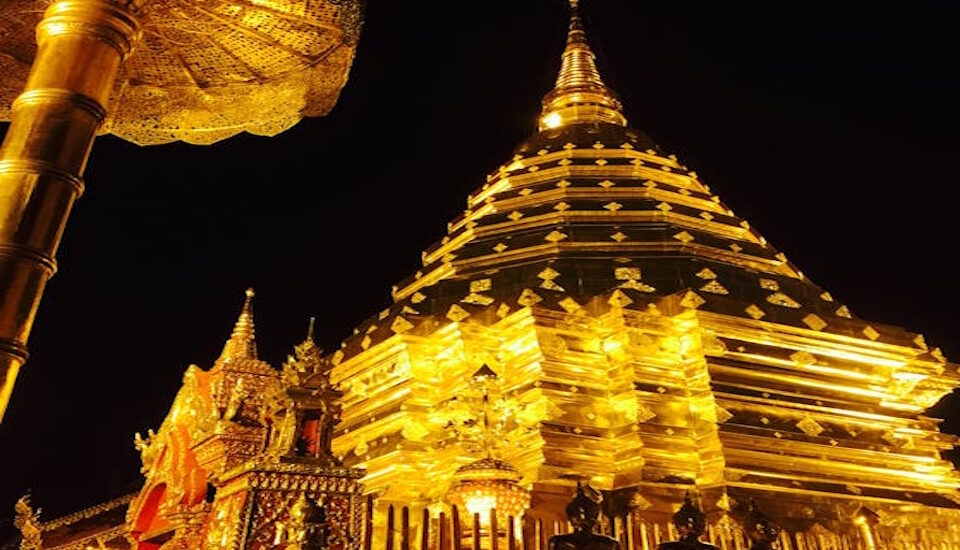
Chiang Mai, often called the “Rose of the North,” is a city that feels timeless. Nestled in the verdant valleys of northern Thailand and surrounded by misty mountains, it is a place where ancient traditions coexist with modern comforts, creating a vibrant, yet serene atmosphere. The city is famed for its rich Lanna heritage, bustling markets, stunning temples, and gateways to lush natural landscapes. Travelers come here for adventure, cultural immersion, culinary delights, and spiritual exploration.
Why Chiang Mai Should Be on Your Bucket List
-
Cultural Richness: Chiang Mai is home to over 300 temples, many adorned with gilded spires, intricate carvings, and colorful murals depicting Buddhist stories and northern Thai folklore.
-
Nature at Your Doorstep: Just beyond the Old City, you’ll find towering mountains, cascading waterfalls, and verdant forests. National parks and nature reserves make Chiang Mai a perfect base for hiking, trekking, and outdoor adventure.
-
A Hub for Artisans and Crafts: From handwoven silk to intricate silverwork, Chiang Mai preserves centuries-old craftsmanship. Villages and markets around the city offer visitors a glimpse into the artistry of northern Thailand.
-
Culinary Adventure: The city’s food is as diverse as its landscapes, with traditional northern Thai dishes like khao soi, sai ua sausage, and sticky rice desserts tantalizing the taste buds.
-
Festivals and Spiritual Experiences: Chiang Mai hosts some of Thailand’s most vibrant festivals, including the Yi Peng Lantern Festival and Songkran, offering travelers an unforgettable cultural immersion.
Top Attractions and Experiences
Wat Phra Singh – Chiang Mai, Thailand
Nestled in the heart of Chiang Mai’s Old City, Wat Phra Singh is one of the most revered and visually stunning temples in northern Thailand. Known for its exquisite Lanna architecture, intricate murals, and the sacred Phra Singh Buddha, it is a must-visit for anyone exploring the cultural soul of Chiang Mai.
History
-
Built in 1345 by King Phayu to house the ashes of his father, King Kham Fu.
-
Named after the Phra Singh Buddha, a highly revered image believed to have originated from Sri Lanka and brought to Thailand centuries ago.
-
The temple has undergone multiple renovations but retains its traditional Lanna architectural style, a hallmark of northern Thailand.
What You Can See
The Ubosot (Ordination Hall)
-
Houses the Phra Singh Buddha, a gilded and intricately adorned statue.
-
Decorated with gold leaf, carvings, and mother-of-pearl inlay.
-
Only monks are allowed to perform rituals inside, but visitors can observe respectfully from outside.
Lanna Architecture
-
Tiered roofs with sweeping curves, decorated with golden chofahs (bird-like roof finials).
-
Carved wooden doors and window frames depicting mythological creatures and floral patterns.
-
Courtyards with statues and smaller shrines, perfect for photography and quiet reflection.
Murals
-
Stunning Lanna-style murals depict scenes from the Jataka tales (stories of Buddha’s previous lives).
-
Vibrant colors, intricate details, and storytelling artistry showcase the cultural and religious heritage of northern Thailand.
Temple Grounds
-
Peaceful courtyards with bonsai-like trees and traditional bells.
-
Smaller shrines for prayer and offerings, giving a sense of everyday devotion.
-
Monks can often be seen meditating or performing rituals.
Visitor Experience
-
Atmosphere: Quiet, spiritual, and reflective, yet centrally located in the lively Old City.
-
Photography: Exterior and courtyard photos are allowed; interior photography may be restricted.
-
Duration: Allocate about 45 minutes to 1 hour to explore the temple and its grounds fully.
Tips for Visiting
-
Dress Modestly: Cover shoulders and knees. Remove shoes before entering temple buildings.
-
Visit Early or Late: Mornings and late afternoons are less crowded and provide softer light for photography.
-
Respect Monks and Worshippers: Avoid loud conversations and intrusive behavior.
-
Combine with Nearby Temples: Wat Chedi Luang and Wat Chiang Man are within walking distance in the Old City.
Why Visit Wat Phra Singh
-
Cultural Significance: A key site for understanding Chiang Mai’s Lanna heritage and Buddhist traditions.
-
Architectural Beauty: One of the finest examples of northern Thai temple architecture.
-
Spiritual Atmosphere: Offers a serene space for reflection amidst the bustling Old City.
-
Photography & Education: Murals, statues, and architecture provide insight into Thai art, storytelling, and religious symbolism.
Wat Chedi Luang – Chiang Mai, Thailand
Located in the heart of Chiang Mai’s Old City, Wat Chedi Luang is one of the most iconic temples in northern Thailand. Known for its massive, partially ruined chedi (stupa) and rich history, it offers a fascinating glimpse into the city’s Lanna heritage and spiritual traditions.
History
-
Built in the 14th–15th century under King Saen Muang Ma to enshrine the ashes of his father.
-
Originally, the chedi was over 80 meters tall, making it one of the tallest structures in Chiang Mai at the time.
-
Damaged by earthquakes in the 16th century, leaving its current partially ruined but still majestic form.
-
Once housed the Emerald Buddha (now in Bangkok’s Wat Phra Kaew) and remains a center of Buddhist worship.
What You Can See
The Great Chedi
-
Massive brick stupa, partially ruined but still awe-inspiring.
-
The upper part is missing, giving it a unique historical character.
-
Steps and terraces allow visitors to walk around the structure, appreciating its scale and craftsmanship.
The Ubosot (Ordination Hall)
-
Houses Buddha statues and is used for monastic rituals.
-
Decorated with traditional Lanna-style carvings, gilded embellishments, and intricate murals.
City Pillar Shrine (In Spirit House)
-
Nearby spirit house believed to protect Chiang Mai, reflecting traditional Thai beliefs alongside Buddhism.
Monks and Spiritual Life
-
Monks often chant, meditate, or perform rituals, offering visitors a window into daily monastic life.
-
Visitors can observe respectfully or offer donations and prayers.
Lanna Architecture
-
Combines brick, stucco, and wood elements.
-
Elegant tiered roofs and golden decorations contrast with the rugged texture of the ancient chedi.
-
The temple grounds are spacious, lined with smaller shrines, statues, and serene courtyards.
Visitor Experience
-
Atmosphere: Serene and historical, yet central to the city’s tourist activity.
-
Photography: Exterior shots of the chedi and grounds are excellent; interior photography may have restrictions.
-
Duration: Allocate 45–60 minutes to explore fully.
Wat Chiang Man – Chiang Mai, Thailand
Wat Chiang Man is the oldest temple in Chiang Mai, located in the northeast corner of the Old City. Founded alongside the city in 1296, it offers visitors a window into the early days of the Lanna Kingdom and is a serene, historically rich site full of ancient Buddha images and classic northern Thai architecture.
History
-
Established by King Mangrai, the founder of Chiang Mai, to mark the city’s new capital.
-
Served as a royal temple and spiritual center during the Lanna Kingdom.
-
Houses ancient Buddha images, some over 700 years old, reflecting the city’s early Buddhist heritage.
-
Known for its unique combination of Lanna, Burmese, and Sri Lankan influences, showcasing Chiang Mai’s role as a cultural crossroads.
What You Can See
Phra Sila (Stone Buddha)
-
A white marble Buddha considered sacred and historically significant.
-
Believed to have protective powers for the city and its people.
Phra Satang Man (Crystal Buddha)
-
Small but highly revered, made of crystal and used in ceremonial rituals.
-
Highlights the devotion and craftsmanship of early Lanna artisans.
Ubosot (Ordination Hall)
-
Features traditional Lanna woodwork, gilded decorations, and murals.
-
Site of ongoing monk ordinations and Buddhist rituals.
Chedis and Stupas
-
Several smaller brick and stucco chedis are scattered across the temple grounds.
-
These structures, often topped with gilded spires, contain relics or commemorate historical figures.
Temple Grounds
-
Quiet courtyards with banyan trees, ponds, and statues, providing a peaceful retreat from the city streets.
-
Lesser-known than Wat Phra Singh or Wat Chedi Luang, offering a more tranquil experience.
Visitor Experience
-
Atmosphere: Serene, contemplative, and less crowded, ideal for reflection.
-
Photography: Exterior and garden photography is allowed; interior photos may have restrictions.
-
Duration: About 30–45 minutes to explore fully.
Doi Suthep – Chiang Mai’s Sacred Mountain
Rising 1,676 meters above sea level, Doi Suthep is a mountain just outside Chiang Mai, famous for its golden temple, lush forests, and breathtaking panoramic views. The mountain is home to Wat Phra That Doi Suthep, one of northern Thailand’s most revered Buddhist sites, as well as nature trails, viewpoints, and smaller temples. Visiting Doi Suthep offers a perfect combination of spiritual immersion, natural beauty, and cultural exploration.
History & Cultural Significance
-
Wat Phra That Doi Suthep, the golden temple on the mountain, was founded in 1383 to enshrine a sacred relic of the Buddha (believed to be a piece of his shoulder bone).
-
Legend tells of a white elephant carrying the relic, which chose the temple site by trumpeting three times and then died there — marking the sacred location.
-
The temple is a central pilgrimage site for Thai Buddhists, especially during religious festivals like Visakha Bucha and Makha Bucha.
-
Doi Suthep is not only a religious center but also a symbol of Chiang Mai’s history, faith, and northern Thai identity.
What You Can See and Do
Wat Phra That Doi Suthep (The Golden Temple)
-
Golden Chedi: The temple’s main stupa is gilded in gold leaf and glimmers in the sunlight, a striking sight from miles away.
-
Elaborate Naga Stairway: Over 300 steps guarded by serpentine Nagas lead up to the temple; many visitors prefer the tram for convenience.
-
Temple Grounds: Smaller shrines, statues of the Buddha in various poses, bells, and sacred offerings adorn the area.
-
Panoramic View: From the temple terrace, you can see Chiang Mai city, valleys, and distant mountains — a spectacular photo opportunity.
Nature & Hiking
-
Trails wind through dense tropical forests, with lush greenery, mossy rocks, and chirping birds.
-
Hiking paths connect Doi Suthep to nearby attractions like Doi Pui and hill tribe villages.
-
Enjoy a cooler climate at higher altitudes and escape the city’s heat.
Monastic Life
-
Visitors can observe monks performing chanting and meditation, offering insight into Buddhist practices.
-
Participate in a blessing ceremony or make merit by offering food, incense, or donations.
Local Handicraft and Snack Stalls
-
Near the temple entrance, vendors sell souvenirs, amulets, handicrafts, and local snacks.
-
Try sticky rice, grilled corn, fresh fruits, or coconut-based treats while enjoying the view.
Visitor Experience
-
Atmosphere: Spiritual, serene, and reflective, yet lively during weekends or festivals.
-
Duration: Allocate 2–3 hours to fully explore the temple, climb steps, enjoy the scenery, and walk some forest trails.
-
Accessibility: Reachable by songthaew (red truck), taxi, scooter, or tour bus. Steps can be steep, so comfortable shoes are recommended.
Chiang Mai Night Markets & Street Life
Chiang Mai is not only renowned for its ancient temples and mountain scenery but also for its bustling markets and lively street scenes. The city’s night markets are a sensory feast, combining local crafts, delicious street food, music, and cultural performances. Exploring them offers an authentic glimpse into northern Thai life, as well as opportunities for shopping, dining, and photography.
Why Chiang Mai Night Markets Are Special
-
Cultural Immersion: Markets reflect the local lifestyle, traditions, and artisan crafts of northern Thailand.
-
Diverse Experiences: From lively weekend markets to daily bazaars, there’s something for every traveler.
-
Street Food Paradise: Sample authentic northern Thai dishes, desserts, snacks, and drinks at very affordable prices.
-
Shopping & Souvenirs: Handicrafts, textiles, jewelry, and unique gifts showcase local skill and creativity.
-
Entertainment: Street performers, musicians, and live cultural shows make the atmosphere festive and engaging.
Top Night Markets
Sunday Walking Street (Ratchadamnoen Road)
-
Vibe: Lively, colorful, and filled with locals and tourists alike.
-
What to Expect:
-
Handcrafted goods, paintings, souvenirs, and textiles.
-
Street performers, musicians, and art displays.
-
Food stalls offering local specialties like khao soi, grilled meats, and mango sticky rice.
-
-
Tips: Arrive early to avoid crowds and have the best selection of crafts.
Saturday Night Market (Wualai Road)
-
Vibe: Slightly smaller than Sunday Walking Street but equally vibrant.
-
Focus: Local handicrafts, wood carvings, silverwork, and artisan jewelry.
-
Street Food: Ideal for tasting northern Thai snacks while browsing artisan stalls.
Night Bazaar (Chang Khlan Road)
-
Vibe: Open daily, more tourist-oriented but convenient.
-
What to Expect:
-
Wide variety of goods: clothing, accessories, souvenirs, and artwork.
-
Street food and small restaurants around the perimeter.
-
Live music and occasional cultural performances.
-
-
Tips: Bargain politely; it’s part of the shopping experience in Thailand.
Warorot Market (Kad Luang)
-
Vibe: Daytime and evening shopping combined; authentic local experience.
-
Specialties: Local produce, spices, textiles, household items, and ready-to-eat meals.
-
Experience: Offers a glimpse into daily northern Thai life, not just tourism.
Street Life & Atmosphere
-
Streets around markets are pedestrian-friendly in the evenings, creating a festive, communal atmosphere.
-
Locals socialize, shop, and eat, while tourists explore, photograph, and enjoy the ambiance.
-
Street vendors often set up temporary stalls, giving each evening a slightly different flavor.
-
Lanterns, fairy lights, and neon signs illuminate streets, creating a magical nighttime setting perfect for photography.
Culinary Highlights
-
Khao Soi: Creamy coconut curry noodle soup, northern Thai specialty.
-
Sai Ua: Northern Thai spiced sausage.
-
Mango Sticky Rice: Sweet and refreshing dessert.
-
Grilled Skewers: Chicken, pork, or seafood with tangy dipping sauces.
-
Fresh Fruit & Coconut Treats: Affordable, fresh, and perfect for walking around.
Elephant Sanctuaries – Chiang Mai, Thailand
Chiang Mai is a global hub for elephant tourism, offering visitors the chance to interact with Thailand’s gentle giants. However, in recent years, ethical and sustainable tourism has become essential, as many traditional elephant camps offered rides and exploitative practices. Today, elephant sanctuaries prioritize welfare, conservation, and education, allowing travelers to have meaningful experiences while supporting the animals’ well-being.
Why Visit an Elephant Sanctuary
-
Ethical Interaction: Observe, feed, and bathe elephants in a safe, non-exploitative environment.
-
Conservation Education: Learn about elephant behavior, natural habitat, and threats like deforestation or captivity.
-
Support Local Communities: Many sanctuaries collaborate with local villages to promote sustainable livelihoods.
-
Unique Experience: Get up close with elephants, watch them play in mud, and witness their intelligence and social bonds.
Top Elephant Sanctuaries in Chiang Mai
Elephant Nature Park
-
Overview: One of the most famous ethical sanctuaries in Thailand.
-
Activities: Feeding elephants, walking with them, bathing in rivers, learning about their rescue stories.
-
Focus: Rehabilitation of abused or retired elephants from logging, tourism, or circuses.
Elephant Jungle Sanctuary
-
Overview: Offers half-day, full-day, and overnight programs.
-
Activities: Observing elephants in natural settings, guided tours, and optional volunteering programs.
-
Special Feature: Multiple locations near Chiang Mai and Mae Rim, often combined with trekking or cultural tours.
Baan Chang Elephant Park
-
Overview: Focused on rescue and education.
-
Activities: Feeding, bathing, and observing elephants roam freely in a large natural area.
-
Extra: Offers insight into elephant ecology and traditional Thai elephant care.
What to Expect at a Visit
-
Feeding Time: Guests often prepare or feed fruits like bananas and sugarcane.
-
Bathing Experience: Elephants enjoy river or mud baths; visitors assist in scrubbing or spraying water, providing gentle enrichment.
-
Observation & Learning: Guides explain elephant behavior, social structures, and conservation challenges.
-
No Riding: Ethical sanctuaries do not allow elephant rides, as these can harm the animals physically and mentally.
Doi Inthanon National Park – Chiang Mai, Thailand
Known as the “Roof of Thailand,” Doi Inthanon is the country’s highest peak (2,565 meters / 8,415 feet) and forms part of the Himalayan mountain range foothills. The national park surrounding it is a breathtaking natural wonder, featuring lush forests, cascading waterfalls, rare flora and fauna, and hill tribe villages. It’s a paradise for nature lovers, trekkers, and cultural explorers alike.
Why Visit Doi Inthanon
-
Highest Point in Thailand: The summit offers spectacular panoramic views of northern Thailand.
-
Natural Beauty: Misty mountains, deep valleys, rivers, and waterfalls create a serene and picturesque landscape.
-
Biodiversity: Home to rare orchids, ferns, birds, and mammals, making it a haven for wildlife enthusiasts.
-
Cultural Experiences: Karen and Hmong hill tribe villages provide insight into local traditions and handicrafts.
-
Adventure Opportunities: Trekking trails, canopy walks, and nature trails for all levels.
Top Attractions in Doi Inthanon National Park
Doi Inthanon Summit
-
The highest point in Thailand offers panoramic views of mountains, clouds, and valleys.
-
A memorial shrine to King and Queen at the summit adds cultural significance.
Twin Pagodas (Phra Mahathat Naphamethanidon and Naphaphonphumisiri)
-
Built to honor King Bhumibol Adulyadej and Queen Sirikit.
-
Surrounded by manicured gardens and flowering landscapes, particularly beautiful during cool-season blooms.
-
Offers excellent photography opportunities and a peaceful atmosphere.
Waterfalls
-
Wachirathan Waterfall: Powerful and dramatic, with a viewing platform for photos.
-
Sirithan Waterfall: Scenic, with clear pools and lush surroundings.
-
Mae Ya Waterfall: One of the largest and most beautiful in Thailand, perfect for hiking.
Nature & Hiking Trails
-
Trails through evergreen forests, moss-covered rocks, and bamboo groves.
-
Opportunities to see rare birds, butterflies, and endemic plant species.
-
Popular hikes include the Kew Mae Pan Trail, offering stunning viewpoints and sunrise opportunities.
Hill Tribe Villages
-
Karen and Hmong villages at higher elevations provide insight into traditional clothing, handicrafts, and daily life.
-
Visitors can purchase handmade textiles and woven goods, supporting local communities.
Handicraft Villages
-
San Kamphaeng Village: Known for silk weaving, silverwork, and woodcarving. Visitors can watch artisans at work, learn techniques, and purchase authentic crafts.
-
Baan Tawai Village: A hub for high-quality wood and handicrafts, perfect for taking home a piece of Chiang Mai’s artistry.
Culinary Experiences in Chiang Mai
Chiang Mai is a food lover’s paradise, blending traditional northern Thai flavors, street food culture, and modern fusion cuisine. From bustling night markets to riverside restaurants, the city offers a rich tapestry of tastes, where each bite tells a story of heritage, local ingredients, and cultural influence.
Why Chiang Mai is a Culinary Destination
Chiang Mai is a culinary destination because it offers a unique and flavorful northern Thai cuisine (Lanna food) that blends aromatic herbs, bold spices, and traditional cooking techniques distinct from central Thai cuisine. The city is a street food paradise, with bustling night markets, walking streets, and riverside eateries serving dishes like khao soi (curry noodle soup), sai ua (spicy northern sausage), and sticky rice desserts. Beyond street food, Chiang Mai features modern cafés, fusion restaurants, and hands-on cooking classes, allowing visitors to explore both traditional flavors and innovative takes on Thai cuisine.
Chiang Mai’s cuisine, often referred to as Lanna food, is unique because it reflects the culture, geography, and history of northern Thailand, setting it apart from the spicier, coconut-rich dishes of central and southern Thailand. Its flavors are complex yet balanced, combining herbs, spices, fermented ingredients, and fresh local produce to create tastes that are aromatic, savory, and often mildly spicy rather than overwhelmingly hot. Signature dishes like khao soi, a creamy coconut curry noodle soup topped with crispy noodles, blend textures and flavors in a way that is distinctly northern. Sai ua, a spiced northern sausage, incorporates lemongrass, kaffir lime leaves, and chilies, giving it an earthy, fragrant kick.
Chiang Mai cuisine also emphasizes freshness and locality, with sticky rice as a staple, served with vegetables, herbs, and grilled meats, reflecting the agricultural richness of the region. Pickled and fermented items, such as nam prik (chili dips), add depth and tanginess to meals, enhancing the layered flavors. Sweet treats, like mango sticky rice or coconut desserts, provide a subtle counterbalance to savory and spicy dishes. This harmony of flavors, textures, and aromas, along with a focus on fresh, local ingredients, makes Chiang Mai’s cuisine both unique and irresistibly flavorful, offering an authentic taste of northern Thai culture in every bite.
Must-Try Dishes in Chiang Mai
Khao Soi
-
Description: Creamy coconut curry noodle soup with soft egg noodles and crispy toppings.
-
Flavor: Mildly spicy, rich, and aromatic with turmeric and curry.
-
Where to Try: Khao Soi Khun Yai, Khao Soi Mae Sai.
Sai Ua (Northern Thai Sausage)
-
Description: Spicy pork sausage flavored with lemongrass, kaffir lime leaves, and chili.
-
Flavor: Bold, aromatic, slightly spicy, and perfect as a snack or street food.
Nam Prik Ong & Nam Prik Noom
-
Description: Traditional chili dips served with fresh or steamed vegetables and sticky rice.
-
Flavor: Savory, tangy, and slightly spicy; represents authentic northern Thai taste.
Grilled Meats & Skewers
-
Variety: Chicken, pork, and seafood skewers served with spicy dipping sauces.
-
Street Experience: Often freshly grilled in markets, ideal for snacking while exploring.
Mango Sticky Rice
-
Description: Sweet sticky rice topped with fresh mango slices and coconut cream.
-
Flavor: Creamy, sweet, and refreshing—a perfect dessert after spicy meals.
Local Desserts & Snacks
-
Coconut pancakes (Khanom Krok), fried bananas, tapioca desserts, and sticky rice wrapped in banana leaves.
Best Places to Eat
Night Markets
-
Sunday Walking Street & Night Bazaar: Sample street food while browsing handicrafts.
-
Food Variety: Everything from noodle soups to desserts and exotic treats.
Riverside Restaurants
-
Experience: Scenic dining along the Ping River, perfect for relaxing after temple visits.
-
Cuisine: Traditional Thai dishes, fresh seafood, and international options.
Local Cafés and Coffee Shops
-
Vibe: Modern, cozy, and often serving Thai-inspired fusion dishes.
-
Specialty: Northern Thai coffee, herbal teas, and desserts.
Cooking Classes
-
Interactive Experience: Learn to cook classic dishes like khao soi, green curry, or spring rolls.
-
Benefit: Hands-on learning about local ingredients, flavors, and culinary techniques.
Cafe Scene
-
Chiang Mai has developed a vibrant café scene, with cozy coffee shops offering locally grown beans and artisanal brewing methods.
-
Popular spots include Ristr8to, known for latte art and award-winning coffee, and Graph Cafe, ideal for photography enthusiasts.
Outdoor Adventures
Chiang Mai is a paradise for outdoor enthusiasts, offering a rich variety of activities set against northern Thailand’s mountains, rivers, and lush forests. Whether you crave adrenaline-pumping adventures, serene nature walks, or cultural exploration amidst stunning landscapes, the region caters to all types of outdoor travelers. The city’s surrounding countryside is a playground for trekking, zip-lining, river rafting, and wildlife encounters, making it an essential part of any Chiang Mai itinerary.
One of the most popular activities is trekking in the surrounding mountains, including areas near Doi Suthep, Doi Inthanon, and the Mae Sa Valley. Guided treks range from a few hours to multi-day expeditions, often incorporating hill tribe villages, waterfalls, and dense jungle paths. Trekkers can experience traditional northern Thai culture, learn about local flora and fauna, and enjoy panoramic views that stretch across valleys and mist-covered peaks. These treks combine adventure with cultural immersion, giving visitors a deeper understanding of the region.
For adrenaline seekers, Chiang Mai offers zip-lining, mountain biking, and white-water rafting. Zip-line parks allow visitors to soar through the jungle canopy, witnessing breathtaking landscapes from above. Mountain biking trails range from beginner-friendly paths to challenging downhill routes in hilly terrain. Meanwhile, the Mae Taeng and Mae Ping rivers provide thrilling rafting and kayaking experiences, suitable for both novices and experienced paddlers, offering a fun way to explore the natural beauty of northern Thailand.
Wildlife and nature lovers will find plenty to explore in ethical elephant sanctuaries, botanical gardens, and national parks. Sanctuaries allow visitors to interact with rescued elephants, feeding and bathing them in a safe environment. Doi Inthanon National Park and other protected areas offer birdwatching, orchid spotting, and scenic hiking trails, showcasing the region’s remarkable biodiversity. These experiences highlight the balance between adventure and conservation, encouraging responsible tourism while enjoying outdoor exploration.
Finally, for a more relaxed pace, Chiang Mai’s scenic viewpoints, waterfalls, and river excursions provide opportunities for photography, meditation, and reflection in nature. From the misty mountain peaks of Doi Suthep to the cascading waters of Wachirathan and Mae Ya, visitors can enjoy serene landscapes that contrast with the bustling city life. Combined with outdoor markets, riverside walks, and small village visits, Chiang Mai’s outdoor adventures cater to every type of traveler, blending physical activity, cultural learning, and natural beauty into unforgettable experiences.
Local Festivals in Chiang Mai: A Cultural Feast
Chiang Mai is often referred to as the cultural capital of northern Thailand, and its festivals are a vibrant reflection of the city’s rich Lanna heritage, Buddhist traditions, and local community life. Unlike the bustling, cosmopolitan celebrations in Bangkok, Chiang Mai’s festivals combine spiritual rituals, artistic performances, colorful parades, and hands-on participation, offering visitors a deep connection to the region’s history and culture. Each festival provides a unique glimpse into northern Thai life, from centuries-old ceremonies to lively modern-day street celebrations.
Yi Peng and Loy Krathong Festival
-
When: November (usually coinciding with the full moon of the 12th lunar month)
-
Cultural Significance: Yi Peng is unique to northern Thailand, especially Chiang Mai, while Loy Krathong is celebrated throughout Thailand. Together, they symbolize letting go of misfortune, making wishes, and paying respect to the water goddess and Buddha.
-
What to Experience:
-
Thousands of glowing sky lanterns (khom loi) are released into the night sky, creating an awe-inspiring, dreamlike scene.
-
Floating krathongs, small lotus-shaped offerings made from banana leaves and flowers, are set afloat on rivers, adding a reflective, spiritual element to the festival.
-
Cultural events like traditional Lanna dances, music performances, and parades of elaborately decorated floats.
-
-
Insider Tip: Arrive at local temples or riverside locations early to secure a good spot for the lantern release, and purchase lanterns from reputable vendors to ensure ethical and safe practices.
Songkran – Thai New Year
-
When: April 13–15
-
Cultural Significance: Songkran marks the traditional Thai New Year, symbolizing renewal, purification, and the washing away of misfortunes. It is a festival that blends fun, family traditions, and religious rituals.
-
What to Experience:
-
City-wide water fights: Streets become lively battlefields with water guns, buckets, and hoses. Tourists and locals alike join in, creating a festive, playful atmosphere.
-
Temple ceremonies: Pouring scented water over Buddha statues and the hands of elders as a form of blessing.
-
Cultural performances and parades: Traditional music, dance, and folk games are common, adding depth beyond the water fights.
-
-
Insider Tip: Wear waterproof clothing, protect electronics, and embrace the fun, but also observe respect when participating in temple rituals.
Chiang Mai Flower Festival
-
When: February
-
Cultural Significance: Celebrates Chiang Mai’s floral beauty and agricultural richness, highlighting the importance of nature in northern Thai culture.
-
What to Experience:
-
Vibrant parades of flower-covered floats, often themed around Thai mythology or cultural stories.
-
Flower exhibitions and competitions showcasing rare orchids, chrysanthemums, and other tropical blooms.
-
Cultural performances: Traditional dances, music, and handicraft displays accompany the floral spectacle.
-
-
Insider Tip: The festival is ideal for photographers and nature enthusiasts; visit early to capture the morning light on the elaborate floral floats.
Other Notable Festivals
-
Bo Sang Umbrella Festival (January–February): Celebrates the town’s hand-painted umbrellas, with parades, cultural shows, and artisan exhibitions.
-
Inthakin City Pillar Festival (May): A religious ceremony honoring Chiang Mai’s city pillar, featuring rituals to protect the city and ensure prosperity.
-
Hill Tribe Festivals: Throughout the year, smaller celebrations in Karen, Hmong, and other tribal communities offer insight into traditional dances, costumes, music, and ceremonies.
-
Cultural Insight: These festivals allow travelers to witness the living traditions of northern Thailand, often combining religion, agriculture, and community life.
Why Chiang Mai’s Festivals Are Unmissable
-
Immersive Cultural Experience: Festivals offer a firsthand encounter with centuries-old Lanna traditions, rituals, and artistry.
-
Photogenic and Vibrant: Lantern-lit skies, colorful flower floats, and lively street scenes provide incredible opportunities for photography.
-
Community Spirit: Experience the warmth and hospitality of local communities, who welcome visitors to participate respectfully.
-
Blend of Spirituality and Entertainment: Unlike purely tourist-oriented events, Chiang Mai’s festivals are rooted in devotion, tradition, and cultural pride, making each moment meaningful.
Accommodation Options
Chiang Mai offers a wide range of accommodation options to suit every traveler’s taste and budget, from luxury resorts and boutique hotels to budget hostels and guesthouses. For those seeking comfort and amenities, the Riverside area and Nimmanhaemin Road boast high-end hotels and stylish boutique stays, often featuring swimming pools, spa facilities, and scenic views of the Ping River or lush gardens. Many of these accommodations are designed with northern Thai architectural elements, giving guests a blend of modern comfort and cultural ambiance. Travelers looking for mid-range options will find cozy hotels and boutique guesthouses in the Old City, conveniently located near temples, markets, and cafés, offering easy access to Chiang Mai’s main attractions.
For budget-conscious travelers and backpackers, Chiang Mai provides affordable hostels, guesthouses, and homestays throughout the Old City and surrounding neighborhoods. These options often feature shared spaces, communal kitchens, and a social atmosphere, making them perfect for meeting fellow travelers. Additionally, eco-lodges and mountain retreats outside the city offer a serene escape, ideal for those who want to immerse themselves in nature while still being within reach of Chiang Mai.
Best Time to Visit
-
Cool Season (Nov–Feb): Comfortable weather and ideal for sightseeing and trekking.
-
Hot Season (Mar–May): Hottest months, perfect for short stays or indoor cultural activities.
-
Rainy Season (Jun–Oct): Lush landscapes, fewer crowds, occasional heavy showers.
-
Festivals:
-
Yi Peng Lantern Festival (Nov): Thousands of lanterns float into the night sky, creating a magical spectacle.
-
Songkran (Apr): Thai New Year water festival, where the entire city becomes a playful water battlefield.
-
Practical Tips
-
Transportation: Tuk-tuks, red songthaews (shared trucks), bicycles, scooters, or Grab app.
-
Dress Code: Cover shoulders and knees when visiting temples.
-
Stay Hydrated: The climate can be hot and humid, so carry water during excursions.
-
Respect Cultural Norms: Avoid touching Buddha statues or pointing your feet toward sacred objects.
-
Currency: Thai Baht (THB), widely accepted and ATMs are plentiful.