
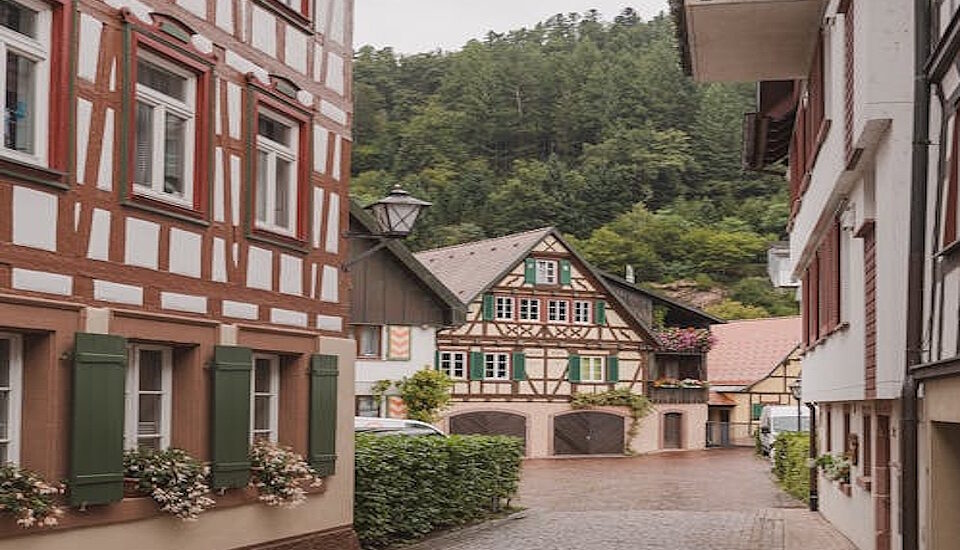
Nestled in the heart of Germany’s Schwarzwald (Black Forest), Triberg is a small town with a big personality. Famous for its waterfalls, cuckoo clocks, and forests that seem straight out of a fairy tale, Triberg is perfect for travelers seeking nature, culture, history, and serenity all in one destination.
Though easy to explore in a day, Triberg rewards those who linger longer. Here’s your full guide, tips, and itineraries to help you make the most of your stay.
Why Triberg Is Worth Visiting
Triberg may seem modest in size, but it’s packed with experiences:
-
Nature: Home to Germany’s highest waterfalls, panoramic viewpoints, and enchanting forest trails.
-
Culture: Birthplace of the cuckoo clock, rich local traditions, and charming museums.
-
Cuisine: Original Black Forest cake, hearty regional dishes, and traditional bakeries.
-
Relaxation: Peaceful hiking, quiet chapels, and cozy cafés for moments of reflection.
How Many Days to Stay in Triberg
Your length of stay depends on your interests:
| Stay Length | Suggested Activities | Ideal For |
|---|---|---|
| 1 Day | Waterfalls, House of 1000 Clocks, short forest trail, Café Schäfer | Quick visit, stopover on a Black Forest route |
| 2 Days | Add hiking (Panoramaweg or Nature Discovery Trail), museums, Maria in der Tanne chapel, dinner at Wirtshaus Alte Marie | Nature and culture lovers |
| 3 Days or More | Explore nearby villages like Schonach, scenic drives along Black Forest Railway, full waterfall hike, seasonal events | Slow travel, photography, in-depth experience |
Tip: A 2-3 day stay is perfect to experience both nature and culture without rushing.
Triberg Town Center — Heart of the Black Forest Experience
Triberg’s town center is more than just a hub for attractions — it’s the vibrant, welcoming core of the village where history, culture, shopping, food, and everyday life blend together into a scenic small‑town atmosphere. It feels like a place where local tradition meets tourism in the best way: authentic, friendly, and charming.
What You’ll See & Do
Shops & Souvenirs
The main street — mostly along Hauptstraße and the surrounding lanes — is lined with shops selling:
-
Traditional Black Forest cuckoo clocks (many handmade by local artisans)
-
Wood carvings & crafts
-
Black Forest ham, schnapps, and regional foods
-
Souvenirs, postcards, and gifts
These stores stretch for several blocks and create a lively, colorful shopping experience right in the heart of town.
Fun fact: The vibe near the town center is often compared to a small theme village — lively and welcoming, though a bit tourist‑oriented.
Cafés & Eateries
Triberg’s center has a good selection of cafés, bakeries, and restaurants where you can:
-
Sip coffee and try classic Schwarzwälder Kirschtorte (Black Forest Cake)
-
Enjoy hearty regional dishes like schnitzel, sausages, dumplings, and local game
-
Sit outdoors in warmer weather and soak up village life
Popular places nearby include:
-
Hotel‑Café Adler – iconic café/guesthouse with local charm
-
Gasthaus Staude – highly‑rated restaurant serving traditional dishes
-
Restaurant Tresor & Wirtshaus Alt‑Tryberg – casual eateries on Hauptstraße
-
Taverna Stefanos – Greek restaurant for a tasty change of pace
-
Ristorante Pizzeria am Marktplatz – pizza and Italian fare
Attractions & Sights
The town center is also home to a few smaller attractions you can explore by foot:
-
Triberg‑Fantasy – an Instagram‑friendly interactive museum
-
Triberg‑Land – model landscapes and displays
-
Nearby historic buildings and local landmarks with plaques as part of Triberg’s historical city tour (you’ll see numbered markers and info boards around town).
And just a short walk away you’ll find the Triberg Waterfalls, which rise up into the forest like a natural centerpiece of the town.
Atmosphere & Local Life
Town Vibe
Triberg’s center blends local life and tourism. You’ll see:
-
Cafés filled with both visitors and locals
-
Street musicians and seasonal events (especially in summer and around Christmas)
-
Decorative flowers and charming façades that give it a classic Black Forest feel
Although some travelers describe parts of the center as touristy, it’s still an enjoyable place to stroll, browse, and sample local treats.
Walkability & Layout
-
Most of the center is easily walkable.
-
From the main pedestrian streets, it’s a short stroll to key sites: waterfalls, museums, and shops.
-
Comfortable shoes are recommended — the town sits on sloping terrain typical of the region.
Triberg Waterfalls — The Heartbeat of the Town
The Triberg Waterfalls are the town’s most iconic attraction. Seven cascades plunge 163 meters through mossy rock and dense forest. Visiting the falls is a multi-sensory experience: the roar of water, cool mist on your face, and birdsong mingling with rushing currents.
Trail Suggestions:
-
Lower Trail: Ideal for families, easy access, with small viewing platforms.
-
Upper Trail: Offers panoramic views over the valley; slightly steeper and quieter.
-
Full Cascade Trail (Kaskadenweg): Connects all seven tiers; allows for scenic photography and wildlife spotting.
Visitor practicalities
-
Entry fee: Typically charged for waterfall trail access (with occasional discounts via guest cards) — bring some cash as not all kiosks take cards.
-
Accessibility: Some routes support wheelchairs/strollers, but many steep steps aren’t.
- Trail lengths vary — you can spend 1–3 hours exploring depending on pace and stops.
What makes it special:
-
Wooden bridges, forest paths, and viewpoints
-
Evening illuminations in summer
-
Red squirrels that run right up to your hand
House of 1000 Clocks
Explore hundreds of cuckoo clocks, from miniatures to grand masterpieces. Watch artisans at work and appreciate the intricate craftsmanship that has made Triberg famous worldwide.
Why It’s Special
-
Immersive Clock Experience: As soon as you enter, you are surrounded by hundreds of clocks ticking, chiming, and cuckooing in a rhythmic symphony.
-
Giant Cuckoo Clock: One of the world’s largest, where a huge wooden cuckoo emerges and marks every hour.
-
Black Forest Craftsmanship: Every clock is handcrafted by local artisans, showcasing intricate woodcarving and traditional techniques passed down for generations.
-
Variety of Clocks: From miniature wall clocks to towering grandfather clocks, and from traditional cuckoo clocks to modern designs, the collection is extensive.
What You Can Do There
-
Watch the Cuckoo Chimes: On the hour, the giant cuckoo clock comes alive — a highlight for children and adults alike.
-
Shop for Authentic Clocks: The store sells clocks of all sizes, many of which are customizable with carved motifs or personalized inscriptions.
-
Learn About Clockmaking: Exhibits explain the history of clockmaking in the Black Forest, from simple wooden timepieces to complex automata.
-
Take Photos: The interior is photogenic with walls filled with clocks, colorful moving figurines, and the giant cuckoo clock as a centerpiece.
Visitor Tips
-
Timing: Visit just before or on the hour to see the cuckoo and moving figurines in action.
-
Duration: Allocate 30–60 minutes to explore, watch demonstrations, and browse souvenirs.
-
Children Friendly: Kids love watching the clocks move, the figurines dance, and the cuckoo emerge.
-
Location: Central in Triberg, easily reachable on foot from the town center or waterfalls.
Schwarzwaldmuseum (Black Forest Museum)
Nestled in the heart of Triberg, the Schwarzwaldmuseum is a treasure trove of Black Forest culture, history, and craftsmanship. It offers visitors a vivid journey through the region’s traditions, daily life, and folklore, making it an essential stop for anyone wanting to understand the soul of the Schwarzwald.
History of the Museum
-
Founded in 1936, the museum preserves the cultural and natural heritage of the Black Forest region.
-
Housed in a traditional building with charming timbered architecture, reflecting the local style.
-
Dedicated to showcasing the daily life, crafts, and traditions of Black Forest communities through the centuries.
What You Can See
1. Traditional Costumes
-
Exquisite displays of Black Forest folk costumes (Tracht).
-
Includes the famous Bollenhut, a wide-brimmed hat with red pom-poms, symbolizing unmarried women.
-
Exhibits highlight regional variations in embroidery, fabrics, and jewelry.
2. Clock and Timepiece Collection
-
Extensive displays of Black Forest clocks, from early wooden timepieces to ornate cuckoo clocks.
-
Shows the development of the clockmaking tradition that Triberg and the surrounding towns are famous for.
-
Visitors can see intricate mechanisms and learn about the craftsmanship involved.
3. Musical Instruments
-
Antique music boxes, flutes, zithers, and other traditional instruments.
-
Some exhibits include working music boxes that demonstrate mechanical ingenuity.
4. Woodcraft and Handicrafts
-
Carvings of animals, figures, and household items.
-
Demonstrates traditional woodworking skills passed down through generations.
5. Mining and Industry
-
Displays of historic mining tools and techniques used in the Black Forest.
-
Explains how mining and forestry shaped local communities and economy.
6. Folklore and Legends
-
Masks and festival items used in Black Forest parades and rituals.
-
Storyboards about myths, fairy tales, and regional legends, adding a mystical dimension to the visit.
Visitor Experience
-
Interactive Elements: Some sections allow visitors to handle certain exhibits or try out music boxes.
-
Educational Panels: Provide historical context in German and English.
-
Photography: Interior is photogenic, especially traditional costumes and clock displays.
-
Duration: Allocate about 1–2 hours for a thorough visit.
Visitor Tips
-
Combine with Waterfalls: The museum is within walking distance of Triberg Waterfalls, making it easy to visit both in one day.
-
Family-Friendly: Children enjoy the mechanical clocks, music boxes, and colorful costumes.
-
Guided Tours: Occasionally offered — they provide deep insights into Black Forest history and traditions.
-
Souvenir Shop: Find small handcrafted items, postcards, and regional books.
Maria in der Tanne Chapel – Triberg, Germany
Tucked away in the heart of the Black Forest, Maria in der Tanne Chapel is a small Baroque church steeped in legend, spirituality, and serene forest charm. Unlike the bustling tourist sites of Triberg, this chapel offers a quiet, contemplative experience amidst nature.
History and Significance
-
Built in the 17th century on the site of a miraculous event.
-
According to legend, a young shepherd girl was cured after praying near a fir tree (Tanne), and a spring of healing water appeared.
-
The chapel was constructed to honor the Virgin Mary and the miraculous spring, becoming a place of pilgrimage.
-
Over the centuries, it has remained a spiritual and cultural landmark, blending religious devotion with Black Forest folklore.
What You Can See
1. Baroque Interior
-
Simple yet elegant design, typical of small Black Forest chapels.
-
Wooden altars adorned with gold accents.
-
Frescoes depicting scenes from the life of the Virgin Mary.
-
A peaceful atmosphere, perfect for reflection.
2. The Sacred Fir Tree
-
The chapel is named after the fir tree (Tanne) that marks the miraculous site.
-
Visitors can see the tree or its descendants nearby.
3. Pilgrim Tradition
-
Small niches and votive offerings left by pilgrims over the centuries.
-
Visitors can feel the centuries-old devotion and sense of reverence.
4. Scenic Surroundings
-
Surrounded by lush Black Forest trails.
-
Walking paths nearby connect to Triberg Waterfalls and forest trails, making it easy to combine nature and culture.
Visitor Experience
-
Atmosphere: Quiet and contemplative — a stark contrast to busy tourist attractions.
-
Photography: Exterior shots are picturesque, with the chapel framed by towering fir trees. Interior photography may be restricted to preserve the sacred space.
-
Accessibility: Short forest paths lead to the chapel; comfortable walking shoes recommended.
-
Duration: 20–40 minutes is usually enough to explore, reflect, and take photos.
Visitor Tips
-
Combine with Nature Walks: The chapel is near trails leading to Triberg Waterfalls, perfect for a combined hike and visit.
-
Respect the Sacred Space: Keep noise to a minimum; avoid disturbing any ongoing prayers or rituals.
-
Best Time to Visit: Early morning or late afternoon for serene lighting and fewer crowds.
-
Nearby Attractions:
-
Triberg Waterfalls (5–10 min walk)
-
Schwarzwaldmuseum (10–15 min walk)
-
House of 1000 Clocks (10–15 min walk)
-
Black Forest Railway (Schwarzwaldbahn)
The Black Forest Railway (Schwarzwaldbahn) is one of Germany’s most scenic and historic railway lines. Connecting Offenburg to Konstanz, it passes through Triberg and offers breathtaking views of the Black Forest’s valleys, mountains, and tunnels. Traveling this railway is more than transportation — it’s a journey into engineering marvels and natural beauty.
History and Significance
-
Constructed between 1863 and 1873, the railway was a major feat of 19th-century engineering.
-
Built to connect the Black Forest’s remote towns to major trade routes.
-
Features 39 tunnels and over 200 bridges, including spirals and loops to navigate the steep terrain.
-
Recognized as one of Europe’s most scenic railway lines due to its combination of engineering and nature.
Route Highlights Near Triberg
-
Steep Ascents and Spirals: The railway elegantly navigates Triberg’s hilly terrain, with trains circling through tunnels to gain elevation.
-
Panoramic Forest Views: Tall fir and spruce trees, deep valleys, and picturesque villages dot the route.
-
Triberg Station: Centrally located, it provides easy access to waterfalls, the Schwarzwaldmuseum, and local shops.
-
Historical Tunnels: Many of the tunnels date back to the original 19th-century construction, showcasing impressive engineering for their time.
Things to See and Do
-
Scenic Train Ride: Even short trips between Triberg and nearby towns offer dramatic views.
-
Photography: Capture spiraling tracks, forests, and quaint villages from train windows or viewpoints along the route.
-
Combine with Hiking: Some trails parallel the railway, allowing hikers to enjoy forest walks and see trains pass dramatically below.
-
Day Trips: Use the railway to reach Offenburg, Freiburg, or Konstanz while enjoying the Black Forest scenery.
Visitor Tips
-
Best Seats: Choose a window seat on the right-hand side of the train when heading south from Triberg for better valley views.
-
Seasonal Beauty:
-
Spring: Blooming forests and rushing streams.
-
Autumn: Golden and red foliage creates a stunning panorama.
-
Winter: Snow-covered trees and villages turn the landscape into a fairy tale.
-
-
Tickets: Can be purchased online, at stations, or through regional transport passes.
-
Timing: Consider short segments if you’re visiting Triberg only for the day — the ride itself can be the highlight of the trip.
Why the Black Forest Railway is Worth Experiencing
-
Engineering Marvel: Spirals, tunnels, and steep gradients show the ingenuity of 19th-century railway construction.
-
Scenic Adventure: Offers one of Germany’s most picturesque train experiences.
-
Convenient Access: Connects Triberg to the wider Black Forest region without needing a car.
-
Photogenic Moments: Every curve, bridge, and tunnel offers Instagram-worthy views.
Holy Spirit Church (Wallfahrtskirche Heilige Geist) – Triberg’s Sacred Gem
Nestled quietly in the heart of Triberg, the Holy Spirit Church (Wallfahrtskirche Heilige Geist) is a remarkable example of Black Forest religious architecture, offering both spiritual serenity and historical insight. Unlike the bustling waterfall trails, this church provides a peaceful retreat for reflection amidst the traditions of the region.
A Brief History
-
The church dates back several centuries, with roots in medieval pilgrimage traditions of the Black Forest.
-
It was built to honor the Holy Spirit, serving as a spiritual center for locals and pilgrims alike.
-
Over the years, it has retained much of its original Baroque charm, while incorporating some Gothic elements common to ecclesiastical buildings in the Schwarzwald region.
The church stands as a symbol of faith, artistry, and community continuity, reflecting the deep religious and cultural heritage of Triberg.
Architecture & Interior Highlights
-
Baroque Facade: Ornate and elegant, with delicate stucco details and traditional Black Forest rooflines.
-
Interior:
-
Wooden pews and carved altars reflecting craftsmanship of local artisans.
-
Frescoes and paintings depicting Biblical scenes, saints, and the Holy Spirit in Baroque style.
-
Stained-glass windows that filter soft colored light into the serene interior.
-
-
Atmosphere: The combination of natural light, wooden textures, and historical art gives the church a warm, contemplative aura.
Visiting the Church
-
Location: Easily accessible from Triberg’s town center; often included in walking tours of the town.
-
Opening Hours: Generally open during the day for visitors; check local schedules for services.
-
Tips for Visitors:
-
Dress modestly and speak softly — this is a functioning place of worship.
-
Photography is usually allowed, but avoid using flash.
-
Pair your visit with a stroll to nearby forest paths for a tranquil experience.
-
Nearby Attractions
-
Triberg Waterfalls: Just a short walk from the church, combining nature and spiritual reflection.
-
Black Forest Museum: Learn more about regional history and culture.
-
House of 1000 Clocks: Experience the artisanal heritage of the region.
Why Visit Holy Spirit Church
-
It provides a quiet, reflective alternative to the more tourist-heavy attractions of Triberg.
-
A chance to experience local culture and religious heritage firsthand.
-
Beautiful architecture and artwork offer excellent photography opportunities in a serene setting.
Outdoor Adventures & Hiking in Triberg, Germany
Nestled in the heart of the Black Forest, Triberg is a paradise for nature lovers, offering a variety of hiking trails, forest walks, and outdoor activities. From dramatic waterfalls to serene viewpoints, the region combines adventure, tranquility, and scenic beauty.
Top Hiking Trails in Triberg
1. Wasserfallsteig (Waterfall Trail)
-
Distance: ~2 km (round trip)
-
Duration: 1–1.5 hours
-
Difficulty: Easy to moderate
-
Highlights:
-
Walk alongside the seven-tiered Triberg Waterfalls.
-
Wooden footbridges and observation platforms provide different perspectives of the cascading water.
-
Opportunities to see red squirrels and forest flora.
-
-
Tips: Wear sturdy shoes — rocks near the waterfalls can be slippery.
2. Panoramatour Triberg
-
Distance: ~6 km
-
Duration: 2–3 hours
-
Difficulty: Moderate
-
Highlights:
-
Offers panoramic views of the Triberg valley and surrounding Black Forest hills.
-
Forest paths lined with ferns, moss, and towering pines.
-
Scenic spots ideal for sunrise or sunset photography.
-
-
Tips: Bring water and snacks for a leisurely hike.
3. Nature Discovery Trail (Naturlehrpfad)
-
Distance: ~3 km
-
Duration: 1–2 hours
-
Difficulty: Easy
-
Highlights:
-
Family-friendly trail with educational signs about local plants, animals, and forest ecology.
-
Interactive displays for children, making it perfect for families.
-
Connects to nearby picnic areas.
-
4. Bergsee Loop
-
Distance: ~4 km
-
Duration: 1–2 hours
-
Difficulty: Easy
-
Highlights:
-
Trails around the Bergsee Lake, a peaceful forested spot.
-
Birdwatching and reflections of the forest in the calm water.
-
Close to the town center, making it easy for a short walk.
-
Outdoor Adventures Beyond Hiking
1. Squirrel Spotting & Wildlife Observation
-
Near waterfalls and forest trails, red squirrels roam freely.
-
Bring nuts sold at trail entrances to interact safely with wildlife.
2. Winter Sports
-
Snowshoeing and cross-country skiing during winter months.
-
Snow transforms trails and waterfalls into a winter wonderland.
3. Mountain Biking
-
Several forest trails allow mountain biking, with routes ranging from easy forest paths to challenging climbs.
-
Bike rentals available in town.
4. Scenic Photography
-
Trails offer incredible panoramic views, cascading waterfalls, and forest landscapes perfect for photography.
-
Early morning or late afternoon light creates a magical, misty forest atmosphere.
Culinary Experiences in Triberg, Germany
Triberg is not just a feast for the eyes — it’s a delight for the taste buds. Nestled in the Black Forest, the town combines traditional German cuisine, iconic desserts, and local specialties with cozy cafés and rustic restaurants. Exploring Triberg through its food is an essential part of any visit.
Must-Try Local Specialties
1. Black Forest Cake (Schwarzwälder Kirschtorte)
-
The world-famous dessert originated in the Black Forest region.
-
Ingredients: Layers of chocolate sponge cake, whipped cream, cherries, and a splash of cherry brandy (Kirschwasser).
-
Where to try:
-
Café Schäfer – claims to follow the original recipe from 1915.
-
Bäckerei & Café Horn – traditional cakes and pastries.
-
-
Tip: Pair with coffee or a light cherry schnapps for the full experience.
2. Black Forest Ham (Schwarzwälder Schinken)
-
Smoked, cured ham made with a unique blend of local woods and spices.
-
Served in slices, in sandwiches, or alongside rustic bread and cheese.
-
Available at local restaurants or markets.
3. Kirschwasser (Cherry Brandy)
-
Distilled from Black Forest cherries.
-
Often used in cooking or as a digestif after meals.
-
Local distilleries sometimes offer tastings for visitors.
4. Traditional German Fare
-
Schnitzels, sausages, and roasts are staples at Triberg restaurants.
-
Side dishes often include dumplings (Knödel), sauerkraut, and roasted potatoes.
-
Look for seasonal game dishes in autumn (venison, wild boar).
Top Cafés and Restaurants
Café Schäfer
-
Famous for original Black Forest Cake.
-
Cozy interior and warm atmosphere.
-
Also offers coffee, pastries, and light meals.
Gasthaus Bergseestüble
-
Traditional German restaurant near Bergsee Lake.
-
Serves hearty Black Forest dishes, including trout and roasts.
-
Ideal for a quiet lunch after a hike.
Holzfällerstube (The Lumberjack’s Hut)
-
Rustic décor with wood-paneled interiors.
-
Hearty meals like schnitzel, roast pork, and thick soups.
-
Authentic Black Forest experience with a cozy, mountain-lodge feel.
Bistro-Café Keller
-
Perfect for breakfast or light snacks.
-
Fresh pastries, coffee, and regional treats.
Food Experiences & Tips
-
Try the Cherry Schnapps: Often served alongside Black Forest Cake for a traditional pairing.
-
Visit Local Bakeries: Many sell handcrafted pastries, cakes, and bread made from regional recipes.
-
Seasonal Dishes: Autumn offers game dishes; winter brings hearty soups and mulled wine.
-
Picnic in Nature: Many trails and waterfalls have picnic spots — bring local cheese, ham, and bread for a scenic meal.
-
Cooking Demonstrations: Some local inns or cooking schools occasionally offer traditional Black Forest cooking classes.
Top Places to Stay in Triberg
Best for Comfort & Views
• Best Western Plus Schwarzwald Residenz – Stylish, well‑reviewed hotel in a quiet hillside setting with great views and easy access to local sights.
• Parkhotel Wehrle – Classic hotel with a central location and garden space, great for exploring on foot.
Charming & Mid‑Range Options
• Hotel‑Café Adler – Cozy bed & breakfast right in town, known for its warm service and comfortable rooms.
• Ketterer am Kurgarten – Family‑run hotel with good reviews and convenient location near parks and trails.
• Hotel Garni Central – Comfortable mid‑range stay near the main street and attractions.
Budget & Unique Stays
• daheim Indoorcamping – Fun and affordable hostel‑style accommodation with a unique indoor camping theme and social spaces.
• DJH Youth Hostel Triberg – Basic, budget‑friendly hostel ideal for backpackers or young travelers.
• Pension & Apartments am Bergsee – Quaint inn with comfortable rooms and easy access to the scenic Bergsee area.
Nearby Options (15–20 min drive)
Staying slightly outside Triberg can give you quieter forest surroundings while still being close to trails and attractions.
• Schwarzwaldgasthof Hotel Schwanen (Schonach) – Traditional guesthouse with Black Forest charm.
• Landhotel Garni Schweizerhaus (Schönwald) – Highly rated B&B with excellent service.
• Hotel Adlerschanze (Schönwald) – Good value hotel near forest trails.
• Hotel an der Sonne (Schönwald) – Simple, comfortable option in a nearby village.
• Hotel Dorer (Schönwald) – Charming choice with local character.
• Hotelmyhome & Gästehaus Ursula – Ursula Kammerer (Hornberg) – Excellent rated stays in nearby Hornberg town.
Vacation Rentals & Apartments
Triberg also has many vacation rentals and apartments — great for families or longer stays — with options featuring kitchens, free parking, and pet‑friendly policies. These often provide a “home away from home” feel in forest or village settings.
Tips for Choosing Where to Stay
Central Triberg — Best for first‑time visitors who want to walk everywhere: waterfalls, cuckoo clocks, cafés, and the museum.
Forest or Outskirts — Perfect for nature lovers and hikers who prefer tranquility.
B&Bs / Guest Houses — Offer personal touches and local tips.
Hostels / Budget options — Ideal if you’re exploring on a shoestring or backpacking.
When to Book
Triberg is popular especially in summer and autumn for hiking, and winter for snowy scenery. Booking in advance helps secure the best rooms and prices.